
Makeup Artist: Interesting Facts That Go Beyond Beauty
When people think of a makeup artist, they often imagine glamour, brushes, and backstage moments. But professional makeup artistry is far more layered than it appears on the surface. It is a discipline that blends art, anatomy, psychology, chemistry, and industry knowledge.
Here are some lesser-known and interesting facts about makeup artists that reveal the depth of this profession, especially within fashion, film, and creative industries.
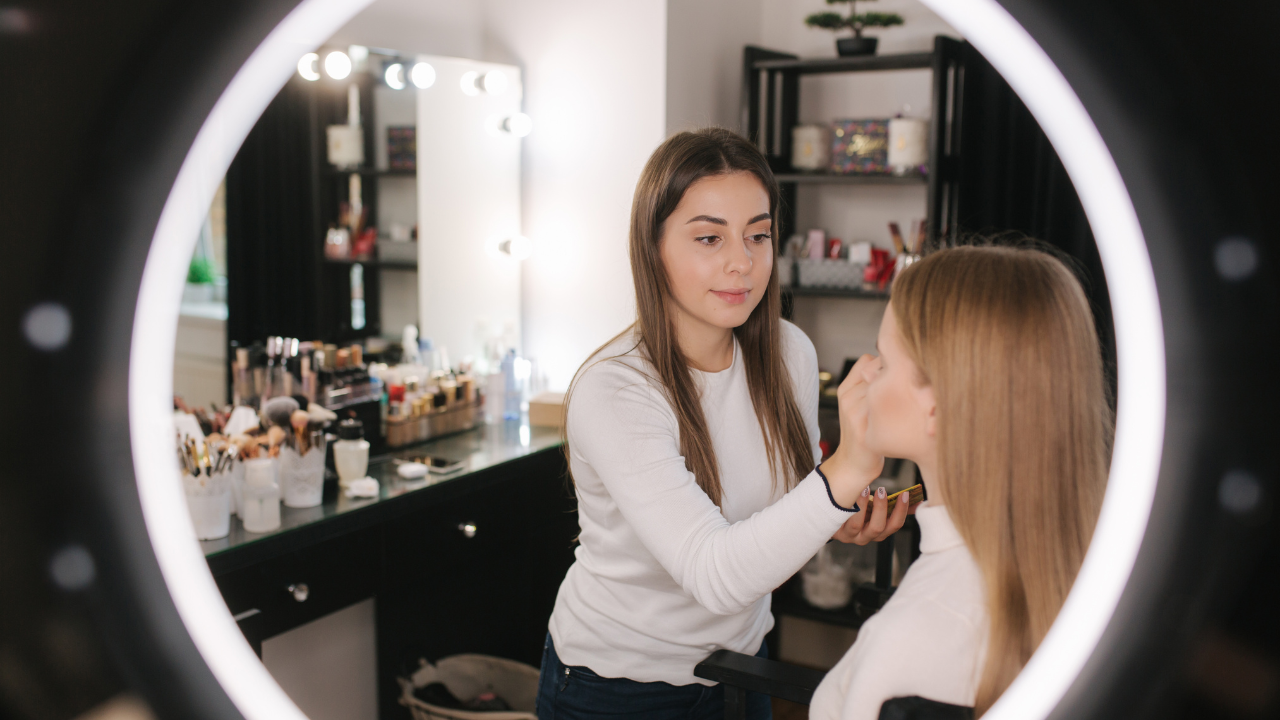
1. Makeup Artists Are Trained Visual Analysts
A professional makeup artist doesn’t just “apply makeup.”
They study face structure, symmetry, bone placement, skin texture, and light before making any decisions.
In fashion and editorial work, makeup artists analyse:
Facial proportions
Skin undertones and conditions
Lighting environments (studio vs natural)
Camera angles and lenses
This analytical approach is what separates professional artistry from everyday makeup application.
2. Makeup Artistry Is Closely Linked to Fashion Design
One interesting fact many people don’t realise is how closely makeup artists work with fashion designers, stylists, and pattern makers.
Makeup choices often respond to:
Fabric texture and colour
Garment structure and silhouette
Historical or conceptual references
The overall design narrative
In runway and editorial contexts, makeup is part of the design language, not an afterthought.
3. Skin Knowledge Matters More Than Products
Contrary to popular belief, professional makeup artists rely more on skin knowledge than on expensive products.
They are trained to understand:
Skin types and conditions
Ingredient reactions
Hygiene and sanitation standards
Product formulation and compatibility
A strong foundation in skin science allows makeup artists to work safely across different clients, environments, and time constraints.
4. Makeup Artists Work Across Many Industries
Another interesting fact about makeup artists is the versatility of their career path. Makeup artistry extends far beyond bridal or social makeup.
Professional makeup artists work in:
Fashion and runway
Film and television
Theatre and performance
Editorial and advertising
Special effects and prosthetics
Education and creative direction
Each field requires a different skill set, pace, and mindset.
5. Lighting Changes Everything
Makeup that looks flawless in person can appear completely different under studio lights or on camera.
This is why professional makeup artists train specifically for:
HD and 4K camera makeup
Colour correction for lighting
Longevity under heat and pressure
Editorial and stage exaggeration
Understanding how light interacts with skin and pigment is a technical skill developed through education and practice.
6. Hygiene Is a Core Professional Standard
One of the most critical but overlooked facts about makeup artists is their responsibility toward health and safety.
Professional standards include:
Tool sanitization
Product hygiene
Skin safety protocols
Cross-contamination prevention
These practices are non-negotiable in professional training environments and industry work.
7. Makeup Artists Are Storytellers
In fashion, film, and editorial work, makeup artists help tell stories.
Makeup can:
Define a character
Signal an era or culture.
Convey emotion or transformation.
Support a creative concept.
This storytelling aspect makes makeup artistry a powerful creative discipline rather than a purely cosmetic one.
8. Education Shapes Long-Term Success
While talent and creativity are essential, structured education helps makeup artists:
Understand industry expectations
Work collaboratively with designers and photographers.
Build consistent professional habits.
Adapt to evolving tools and technologies.
Training environments like design academies emphasise process, discipline, and creative thinking, preparing artists for real-world practice.
Final Thoughts
Makeup artistry is far more than surface beauty.
The Cut Design Academy’s Makeup Artistry Program approaches makeup as a design skill, grounded in technique, industry standards, and creative collaboration.
It is a profession rooted in observation, technique, collaboration, and creative intention.
For those drawn to fashion, design, and visual storytelling, makeup artistry offers a meaningful and intellectually engaging path, one that continues to evolve with industry demands.