
What Does a Fashion Marketer Do in 2026?
The New Skills, Roles & Realities of a Changing Industry
The fashion industry has constantly evolved fast, but 2026 marks a new era, one where creativity meets data, artificial intelligence shapes trends, and marketing moves at the speed of culture. Today’s fashion consumers aren’t just buying clothes; they’re buying experiences, stories, and values. That’s why the role of a fashion marketer has expanded dramatically, becoming one of the most dynamic and future-ready careers in the fashion world.
Suppose you’re wondering, “What does a fashion marketer do in 2026?” In that case, this guide breaks down everything you need to know, new responsibilities, essential skills, and the realities of marketing fashion in a digital-first world.
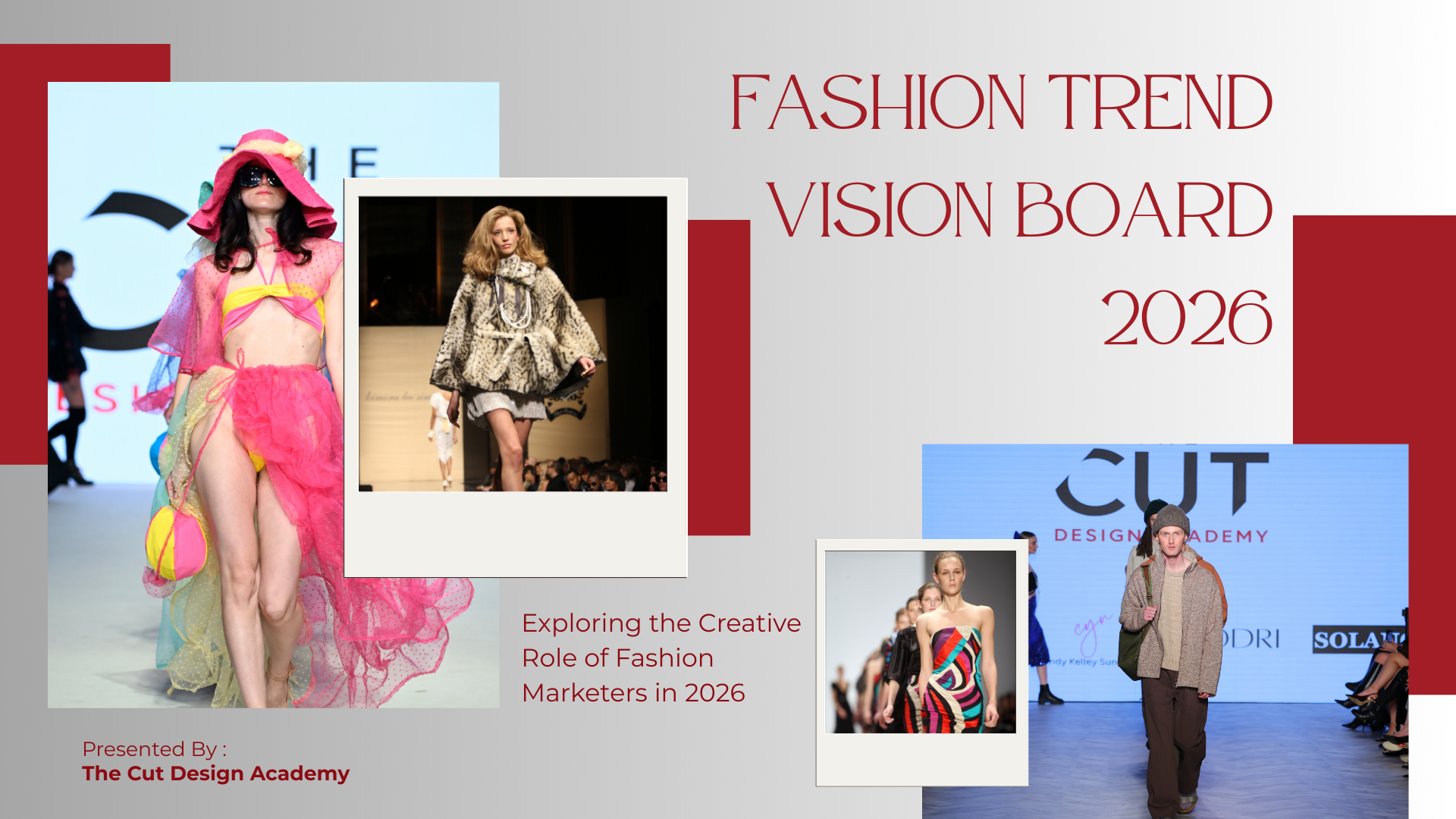
The Evolution of Fashion Marketing: What’s Changed by 2026?
Fashion marketing used to revolve around lookbooks, glossy campaigns, magazine ads, and runway promotions.
But today, it’s an entirely different ecosystem powered by:
AI trend forecasting
Micro-creator collaborations
Live shopping
3D lookbooks
Sustainability laws
Ultra-short attention spans
Social commerce on TikTok, IG, Pinterest & YouTube Shorts
Community-driven brand building
Fashion marketers in 2026 must understand not just clothes but also culture, technology, behavioural psychology, and digital ecosystems.
So, What Does a Fashion Marketer Do in 2026?
Here’s a breakdown of the modern responsibilities shaping the role:
1. Trend Forecasting With AI & Digital Insights
Fashion marketers today use advanced tools (like WGSN AI, Heuritech, Edited, and consumer behaviour dashboards) to:
Predict micro-trends
Track viral patterns
Understand emerging aesthetics
Analyze buying behaviour
Monitor competitor performance
This isn’t intuition anymore, it’s strategy backed by data.
2. Develop Brand Identity & Storytelling Across Platforms
Every brand in 2026 needs a sharp, consistent identity that lives everywhere, on TikTok, Instagram, Pinterest, websites, product pages, newsletters, and even in virtual spaces.
Fashion marketers:
Craft brand narratives
Create visual moodboards
Define tone of voice
Build seasonal storytelling
Protect brand image through consistent messaging
They’re brand guardians as much as they are marketers.
3. Plan Campaigns for Both Physical & Digital Fashion
A collection launch isn’t just a lookbook and a photoshoot anymore.
Modern campaigns include:
3D garment previews
Virtual try-ons
AR filters
TikTok teaser videos
BTS docu-style shorts
Creator-led unboxings
Pop-up activation events
Shop-the-runway features
A fashion marketer connects all of these into one cohesive, memorable experience.
4. Lead Social Media Strategy (The Real Runway in 2026)
In 2026, social platforms are the runway.
Fashion marketers must:
Create viral content strategies
Understand platform-specific behaviours
Optimize short-form video
Curate user-generated content (UGC)
Map content to each step of the buyer journey
Every reel, story, pin, livestream, and short matters.
5. Collaborate With Micro-Creators & Digital Influencers
The influencer landscape has changed.
Macro influencers = expensive + low trust
Micro creators = authentic + niche + high conversion
Fashion marketers:
Identify the right creators
Negotiate collaborations
Develop campaign concepts
Track performance analytics
Build long-term creator relationships
Creators are now extensions of the brand’s marketing team.
6. Manage Photoshoots, Visual Direction & Creative Production
From concept to execution, fashion marketers play a key role:
Create shoot briefs
Guide lighting & mood
Select angles, poses, and expressions
Style product arrangement
Oversee aesthetic consistency
Translate clothing into visual stories
A successful marketer sees the bigger picture before the camera even clicks.
7. Oversee E-Commerce Marketing & Conversion Optimization
Because in 2026, most fashion shopping happens online.
Fashion marketers must understand:
Website UX
Product page optimization
SEO for fashion terms
Conversion psychology
A/B testing
Email funnels
Retargeting campaigns
Customer journeys
It’s part creativity, part technical skill, part consumer behaviour science.
8. Communicate Sustainability Transparently
2026 is a big year for global sustainability regulations.
Fashion brands are legally required to share:
Fabric sources
Supply chain processes
Environmental impact
Worker conditions
Recycling initiatives
Marketing must be truthful, transparent, and aligned with ethical standards.
Fashion marketers shape these messages clearly and responsibly.
9. Build Community & Customer Loyalty
Fashion is no longer one-way communication.
Marketers create spaces where customers feel connected, seen, and involved through:
Discord fashion groups
TikTok communities
Private newsletters
Studio visit vlogs
Live Q&As
Behind-the-scenes storytelling
A loyal community is more powerful than any ad campaign.
Where Do Fashion Marketers Work in 2026?
Fashion marketers are needed across the entire industry ecosystem:
Fashion houses
Sustainable brands
E-commerce companies
Fashion magazines & media
AI-driven fashion tech startups
Retail chains
Design agencies
Virtual fashion brands
Influencer-founded brands
Independent designers
The career path is more diverse than ever.
What Skills Does a Fashion Marketer Need in 2026?
Here are the modern essentials:
✔ AI-Assisted Trend Analysis
✔ Short-Form Video Direction
✔ Visual Storytelling
✔ 3D Garment/Lookbook Understanding
✔ Photography & Creative Direction
✔ Basic Editing (Reels, Shorts, TikTok)
✔ Sustainability Communication
✔ Copywriting & brand tone
✔ Social media analytics
✔ Community building
✔ E-commerce optimization
✔ Moodboard creation
✔ Project & campaign management
Being well-rounded is now a competitive advantage.
Is Fashion Marketing a Good Career in 2026?
Absolutely, but the industry has shifted.
Fashion marketing is a strong career choice if you’re:
creative
digitally savvy
trend-aware
adaptable
passionate about storytelling
comfortable with fast-paced environments
Growth opportunities are increasing because brands need people who understand both fashion + digital culture.
Remote and hybrid work options also continue to expand.
How to Start a Fashion Marketing Career in 2026
If this field inspires you, here’s how to begin:
✔ Learn the fundamentals of fashion design & industry structure
✔ Practice content creation & creative direction
✔ Build a small portfolio (videos, moodboards, campaigns)
✔ Volunteer for shoots and designers
✔ Follow trend forecasting platforms
✔ Take short courses or diplomas in fashion marketing
✔ Consume fashion content like a researcher, not just a fan
✔ Study brand narratives of top fashion houses
Real-world experience + creativity = the fastest entry into this field.
Final Thoughts
The fashion marketer of 2026 is part strategist, part storyteller, part digital creator, and part trend forecaster. Their work sits at the intersection of creativity, technology, and culture, making this one of the most exciting careers in the fashion industry today.
As the fashion landscape continues to evolve, so do the opportunities.
And for anyone passionate about design, brands, and creative communication, fashion marketing in 2026 is a future full of possibilities.