
What Jobs Can You Get With a Fashion Design Diploma?
If you're considering a career in fashion, one of the first questions you're probably asking is: what can I actually do with a fashion design diploma? The good news is — a lot. Fashion education opens doors far beyond just designing clothes. From styling to production to entrepreneurship, a diploma gives you the technical skills and industry knowledge to enter the fashion world with confidence.
Here's a comprehensive breakdown of the career paths available to fashion design diploma graduates.
What Is a Fashion Design Diploma?
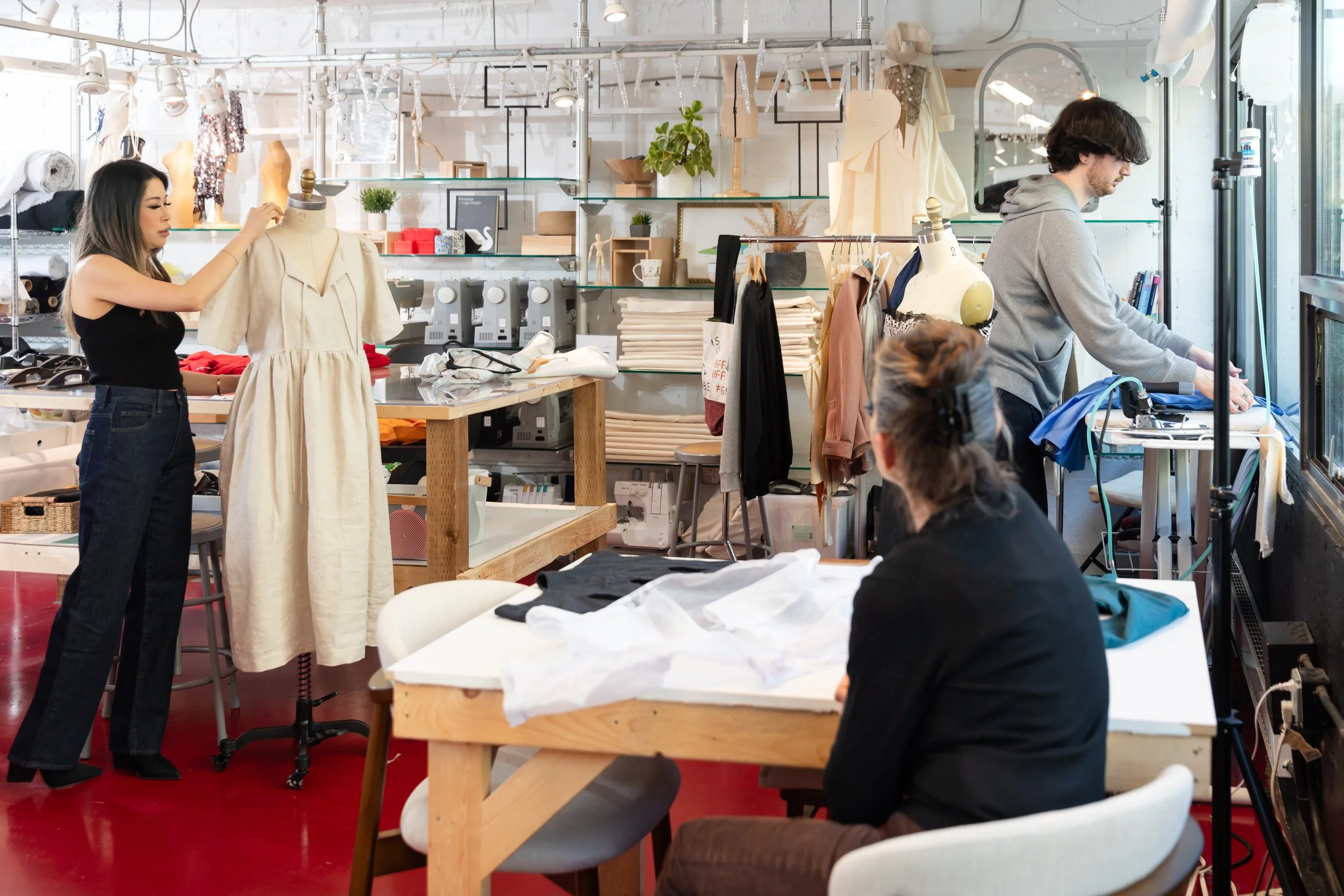
A fashion design diploma is a focused, practical credential that trains students in garment construction, design principles, textiles, pattern making, and fashion business fundamentals. Unlike a four-year degree, a diploma program is designed to get you industry-ready faster — typically in one to two years — with hands-on training that mirrors real-world fashion careers.
What Jobs Can You Get With a Fashion Design Diploma?
1. Fashion Designer
The most direct path. As a fashion designer, you create original clothing, accessories, or footwear — sketching concepts, selecting fabrics, and overseeing production. Entry-level roles often start at design houses, retail brands, or independent labels. With a diploma, you have the technical foundation to bring your ideas from sketch to sample.
2. Fashion Stylist
Fashion stylists curate outfits and looks for editorial shoots, advertising campaigns, TV and film productions, or individual clients. A diploma in fashion design gives you a strong eye for proportion, colour, and garment construction — all essential for this role. Stylists often work freelance, which makes this a flexible and entrepreneurial career path.
3. Costume Designer
Costume designers work in film, television, and theatre to create looks that bring characters to life. This is one of the most creative applications of a fashion design diploma, combining storytelling with technical sewing and design skills. Many costume designers start as assistants and build their portfolios through production work.
4. Fashion Buyer
Buyers work for retail companies, boutiques, or department stores, selecting what products to stock based on trend forecasting, customer demand, and budget. A fashion design background gives buyers a critical advantage — they understand construction quality, fabric behaviour, and what makes a garment commercially viable.
5. Visual Merchandiser
Visual merchandisers design in-store displays and retail environments to attract customers and drive sales. This role blends fashion knowledge with spatial design and marketing instincts. It's a strong entry point into the retail fashion industry and often leads to senior brand and marketing roles.
6. Pattern Maker / Garment Technologist
Pattern making is a highly technical and in-demand skill. Pattern makers translate design sketches into the templates used for cutting fabric and constructing garments. Garment technologists work closely with manufacturers to ensure quality and fit. Both roles are critical in production environments and are always in demand.
7. Fashion Entrepreneur / Independent Designer
Many diploma graduates go on to launch their own labels, online stores, or freelance design services. A fashion design diploma gives you the practical skills to produce your own work — from concept to finished product — without having to outsource everything. Combined with social media and e-commerce tools, entrepreneurship in fashion is more accessible than ever.
8. Alterations and Custom Tailoring
Custom tailoring and alterations is a consistently steady income stream for fashion graduates. Whether working in a bridal boutique, a dry cleaner with alteration services, or independently, skilled tailors are always in demand — and the barrier to entry is lower than in design or retail.
9. Fashion Educator or Teaching Assistant
With experience, fashion design graduates can move into education — teaching sewing, design, or fashion fundamentals at the college or community level. This is a natural path for those who love the craft and want to share it.
10. Textile and Fabric Specialist
Some graduates move into the textile industry itself, working with fabric suppliers, mills, or sustainable textile companies. Knowledge of fabric properties, construction, and end-use application makes fashion design graduates valuable in this space.
Is a Fashion Design Diploma Worth It?
Yes — especially if you want practical, job-ready skills without spending four years in school. A diploma program focuses on what you actually need to work in the industry: construction, design, pattern making, and business fundamentals. Many employers in fashion prefer candidates with hands-on training over purely theoretical education.
The key is choosing the right program — one with experienced instructors, strong industry connections, and a curriculum that reflects how fashion actually works today.
Full Time vs Part Time: Which Is Right for You?
Most fashion design diploma programs offer both full time and part time options. Full time suits students who want to complete their credential quickly and transition into the workforce sooner. Part time works well for those who are currently working or have other commitments and want to build their skills gradually without stepping away from their lives entirely.
Start Your Fashion Career at The Cut Design Academy
If you're in Vancouver and ready to turn your passion for fashion into a real career, The Cut Design Academy offers industry-focused programs designed to give you exactly the skills employers and clients are looking for.
Whether you want to design, style, make patterns, or launch your own label — The Cut's programs are built around the real demands of the fashion industry, taught by professionals who've worked in it.