
When Consumers Rage Against AI Imagery
The fashion industry has always been in the business of selling an image. But right now, a growing number of consumers are pushing back on images that are, quite literally, not real.
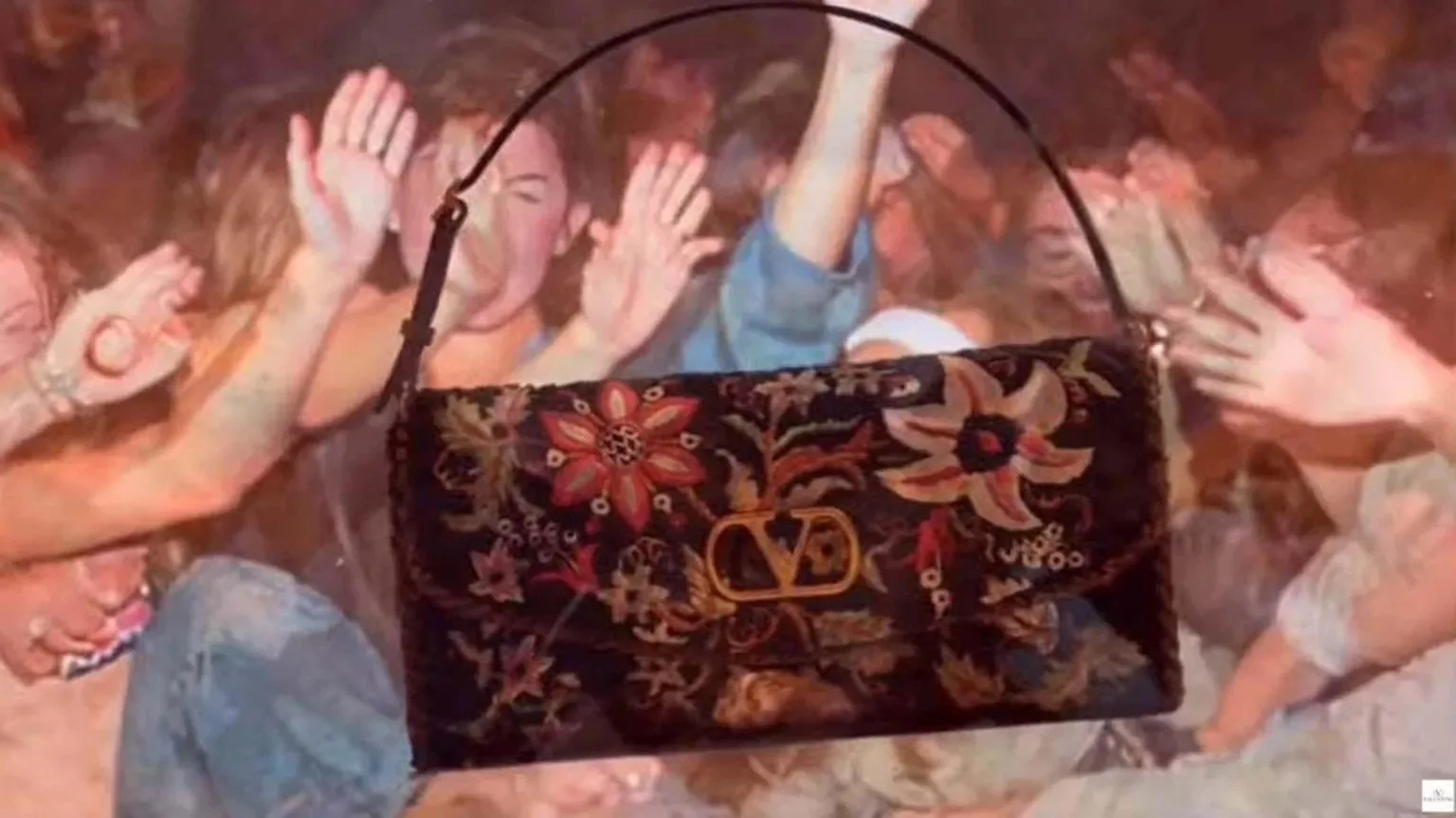
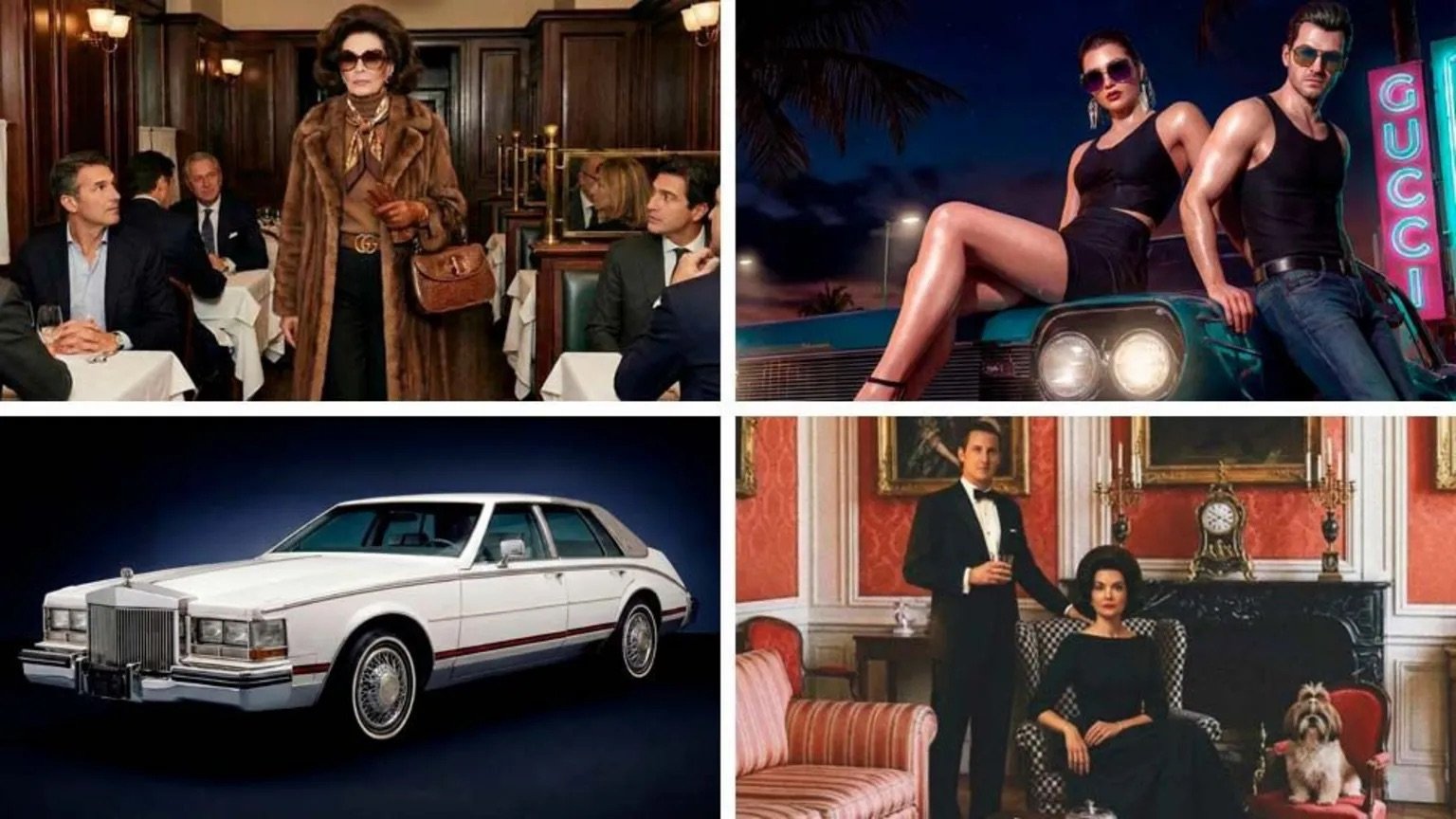
In early 2026, Gucci released a series of AI-generated visuals to promote its Milan Fashion Week show. The backlash was swift. Comments flooded in calling the imagery "cheap," "lazy," and out of step with a brand built on Italian craftsmanship. Not long before that, in December 2025,Valentino posted a clearly labeled AI-generated video for its DeVain handbag — and faced the same reaction. Users weren't confused about whether it was AI. They were angry that it was.
"You Can't Prompt This"
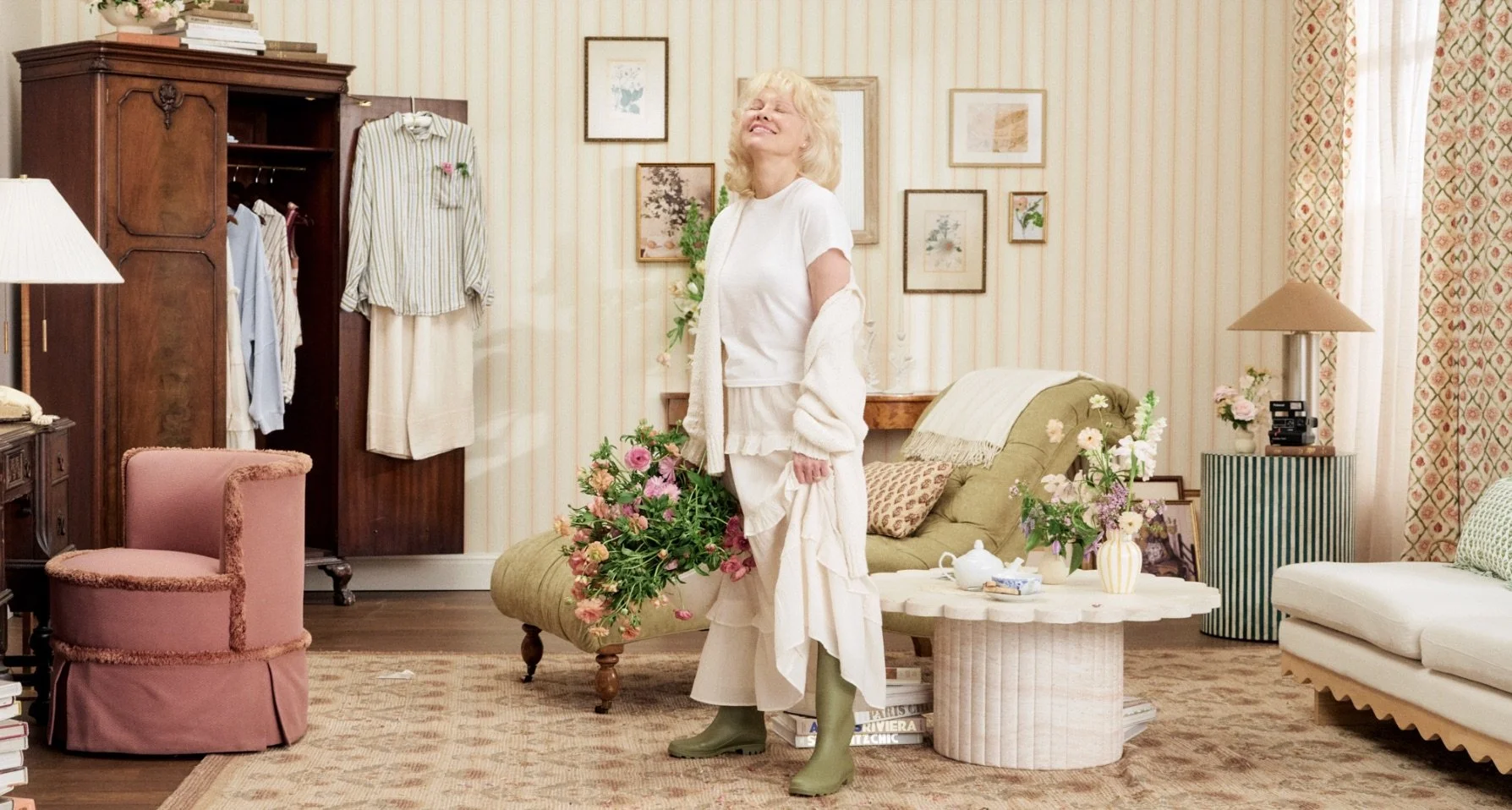
In early 2026, American Eagle's Aerie brand launched a bold anti-AI campaign starring Pamela Anderson — a choice that was as much cultural statement as it was marketing. The campaign opens with Anderson's voice directing an AI system to generate a model: "happier, more joyful... natural." Each result appears instantly but never quite lands. Then the scene cuts to a real shoot, real people, and Anderson delivers the line: "You can't prompt this."
The campaign was built on a promise Aerie had already made in October 2025: no AI-generated bodies or people in their marketing. Ever.
The numbers are hard to argue with. Since soft-launching that anti-AI message, Aerie reported double-digit growth in brand awareness and a 23% increase in sales in Q4 2025. For a brand operating in a market where most competitors were quietly expanding AI use, that's a significant signal.
Why Consumers Are Pushing Back
So what's actually driving this backlash? It's not that consumers are anti-technology. Most people use AI tools themselves. The frustration is more specific than that.
It's about what AI replaces. When a luxury brand — one that charges a premium precisely because of its craftsmanship and creative vision — uses AI to generate its campaign imagery, consumers feel the contradiction. The brand is asking you to pay for human artistry while removing the human from the equation.
It's about trust. Fashion marketing has long been aspirational, even idealized. But there's a difference between a beautifully lit photograph and a synthetically generated one. Consumers are increasingly AI-literate. They can often tell. And when they find out they've been looking at a generated image, it changes how they see the product behind it.
It's about representation. Brands like Aerie built their original reputation on a promise to show real bodies. Introducing AI-generated imagery — even if subtly — feels like a step backward from that commitment. Dr. Rebecca Swift, SVP of Creative at Getty Images, put it plainly in response to the Valentino controversy: consumers hold brands to a higher standard than individuals. Even when AI use is fully disclosed, it isn't enough to win them over.
AI Literacy Is Still Essential — The Backlash Doesn't Change That
The consumer backlash isn't a rejection of AI as a tool. It's a rejection of AI as a replacement for human creative vision — especially in brand-facing, emotional work like campaign imagery. Those are two very different things.
Inside the studio, AI is already transforming how fashion professionals work — and for the better. Designers are using it to generate mood boards and concept directions in minutes. Pattern grading and size scaling, once painstaking manual work, can be accelerated dramatically. Trend forecasting is sharper. Product visualization, virtual try-ons, and even sustainable sourcing decisions are being made with AI-assisted data tools.
None of that is what consumers are pushing back on. What they're pushing back on is a brand looking them in the eye and showing them a generated human, as if authenticity doesn't matter.
The distinction matters enormously for anyone building a career in this industry. The most valuable fashion professionals right now are the ones who can do both: use AI tools fluently and bring the human judgment, craft, and creative vision that technology can't generate on its own.
What This Means for Aspiring Fashion Professionals
The brands winning this moment — Aerie most visibly — aren't choosing between AI and humanity. They're being deliberate about where each belongs.
Aerie's CMO put it plainly: even if everyone else around them goes all-in on AI, they see value in redefining what AI actually means for fashion. That means using it for operations and analytics while protecting the human element in creative and marketing work.
That's the professional standard the industry is moving toward. And it's exactly what good fashion education should be preparing people for.
At The Cut Design Academy, we teach this balance directly. Our programs include an AI for Graphic Design certificate alongside hands-on fashion design training — because we believe the designers, stylists, and creatives who will thrive are the ones who understand the tools and the craft. Pattern making, garment construction, design development, and AI fluency: all of it, together.
The Gucci and Valentino controversies aren't just PR stumbles. They're signals about what consumers value — and what the industry needs more of. Human creative authorship, backed by the skills to execute it.
AI is changing fashion. The question isn't whether you'll use it. It's whether you'll know how — and when.
