
The Art of storytelling: More than just clothes
Fashion has always been about more than just clothing. Behind every collection, campaign, runway show, and personal style choice is a story being told. While people often focus on trends or aesthetics, one of the most important parts of fashion is the emotion and meaning behind the designs.
That is what makes fashion such a powerful form of storytelling.
The best designers do not simply create garments — they create a feeling. Every colour, fabric, silhouette, texture, and detail is chosen intentionally to communicate an idea or mood. Some collections feel dramatic and bold, while others feel soft, romantic, nostalgic, futuristic, or rebellious. Fashion has the ability to speak without words.
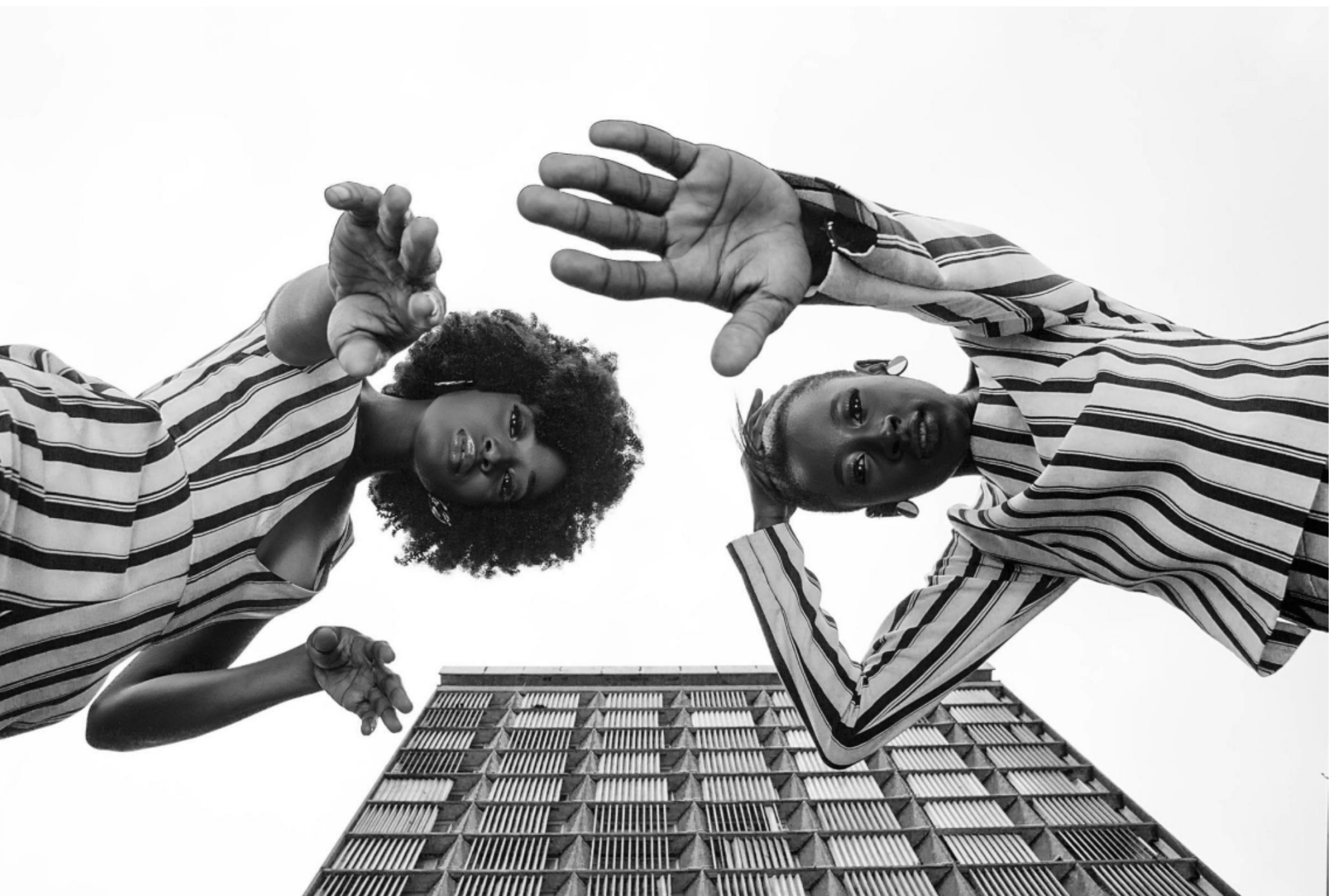
Storytelling in fashion can come from almost anywhere. Many designers draw inspiration from personal experiences, memories, culture, music, film, architecture, art, or even social issues
happening around the world. These influences become part of the creative process and help shape the identity of a collection.
This is why some fashion moments become unforgettable. People connect emotionally to fashion when it tells a story they can feel or relate to. Sometimes it is not even about the clothing itself — it is about the atmosphere, emotion, and message surrounding it.
Runway shows are one of the clearest examples of storytelling in fashion. They are not simply presentations of clothing anymore. Designers use music, lighting, makeup, hair, casting, and set design to create an entire world around a collection. Every detail works together to strengthen the vision and make the audience experience something memorable.
Fashion photography and campaigns work the same way. A single image can completely change how a collection feels. Styling, poses, colours, and creative direction all help tell the story behind the designs. This is why fashion photography is considered such an important part of the industry today.
Social media has also changed the way fashion storytelling works. Platforms like Instagram and TikTok allow brands and creators to build a strong visual identity and connect with audiences instantly. Fashion is now experienced through short videos, behind-the-scenes content, mood
boards, creative shoots, and digital campaigns. People are not only buying clothing anymore — they are connecting to a lifestyle, aesthetic, or feeling.
This is also why personal style matters so much. The way people dress can communicate personality, confidence, mood, creativity, and individuality before a conversation even begins. Fashion allows people to visually express themselves and tell their own story through what they wear every day.
In many ways, fashion acts like wearable art. It reflects culture, identity, and the emotions of a specific moment in time. Trends often return because people reconnect with the feelings attached to past eras. Fashion constantly evolves, but storytelling remains at the center of it.
At fashion schools and within the creative industry, storytelling is becoming more important than ever. Designers are expected to think beyond simply making clothing look good. They are encouraged to create concepts, build worlds, and develop strong creative visions that people can emotionally connect to.
A successful collection usually has a purpose behind it. Whether that purpose is emotional, artistic, cultural, or personal, storytelling helps give fashion depth and meaning.
In the end, fashion is much more than trends or garments on a runway. It is a way people communicate ideas, emotions, identity, and creativity. Every design has the potential to tell a story — and that is what makes fashion one of the most expressive art forms in the world.