
The Skirt Is Back. But What Makes a Modern Skirt Modern?
The skirt never really disappeared. But on recent runways, designers are giving it a new vocabulary. From altered proportions and unexpected lengths to sculptural volume and unconventional construction, one of fashion's most familiar garments is being reconsidered.
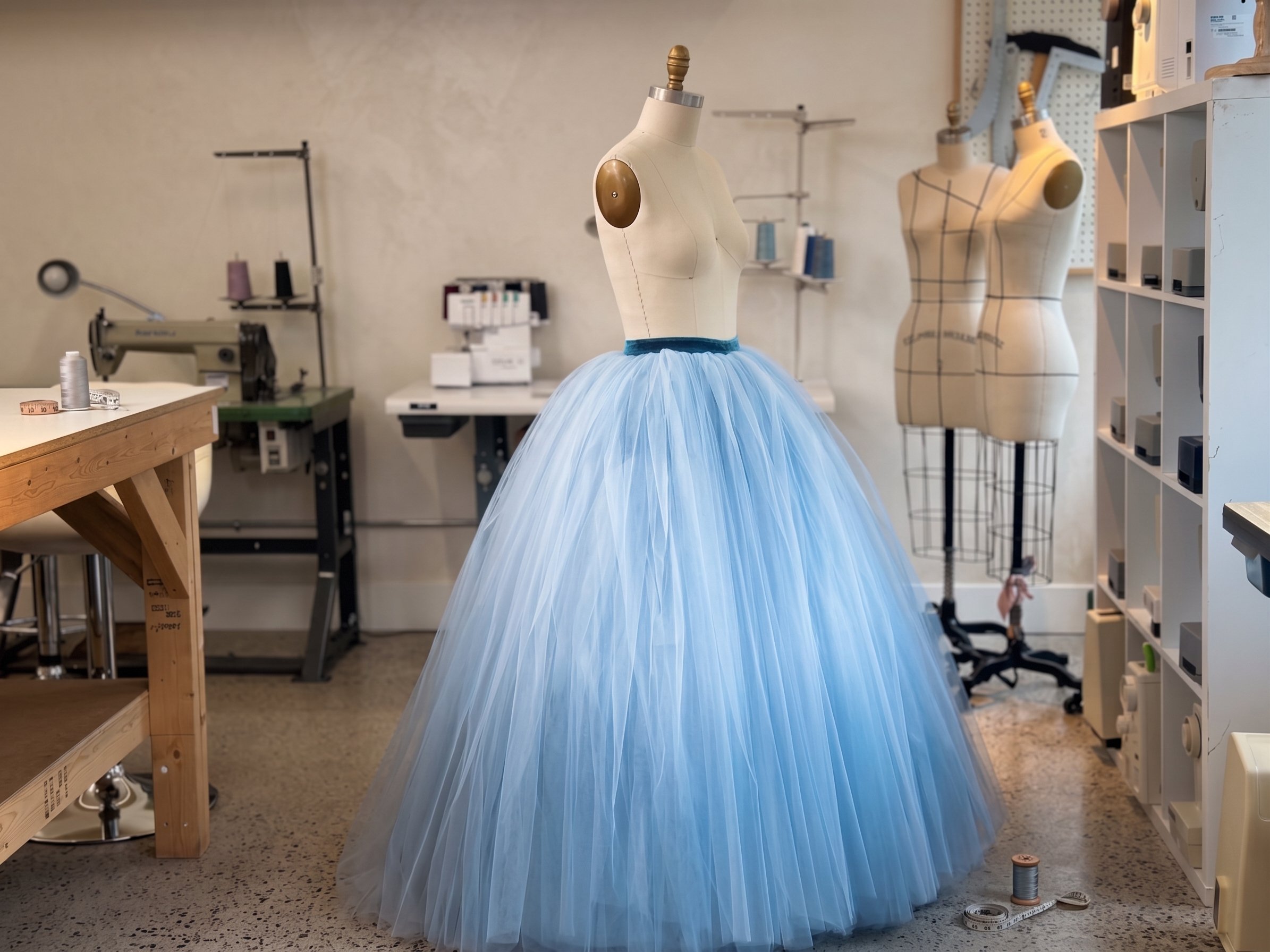
Milan Fashion Week offers one clear example. At Prada's Spring/Summer 2026 show, skirts were fastened to suspenders so they seemed to drift away from the body. They appeared in a range of fabrics, from yellow silk to sheer black lace. The garment was still recognizably a skirt, yet the way it related to the body felt entirely new. Prada is far from alone in this. Across collections, the skirt is being reworked in ways that ask us to look at it again.
So what actually makes a skirt modern?
The Answer Lives Beneath the Surface
A finished skirt can look wonderfully simple. A waistband, a hem, some fabric in between. But changing its silhouette means understanding everything happening underneath it.
A designer reworking a skirt can:
shift the waist or hip proportions
manipulate darts to change how the fabric sits on the body
introduce flare or volume
change grain direction, which alters how the fabric falls
experiment with pleating, gathering or panels
alter the hemline and rebalance the whole shape
take a basic block and develop an entirely different silhouette
Each of these decisions is a technical one. And that leads us directly into pattern making.
Before the Runway, There Is a Pattern
A sketch communicates the idea. The pattern is where that idea starts becoming a garment.
A designer may sketch an exaggerated A-line skirt in a few minutes. Making that silhouette work on an actual body is another matter entirely. Where does the volume begin? How does the fabric fall? What happens to the proportions when the hem moves? How can the pattern be manipulated without compromising fit?
Answering those questions is the heart of pattern making, and it is exactly what students begin learning in the studio.
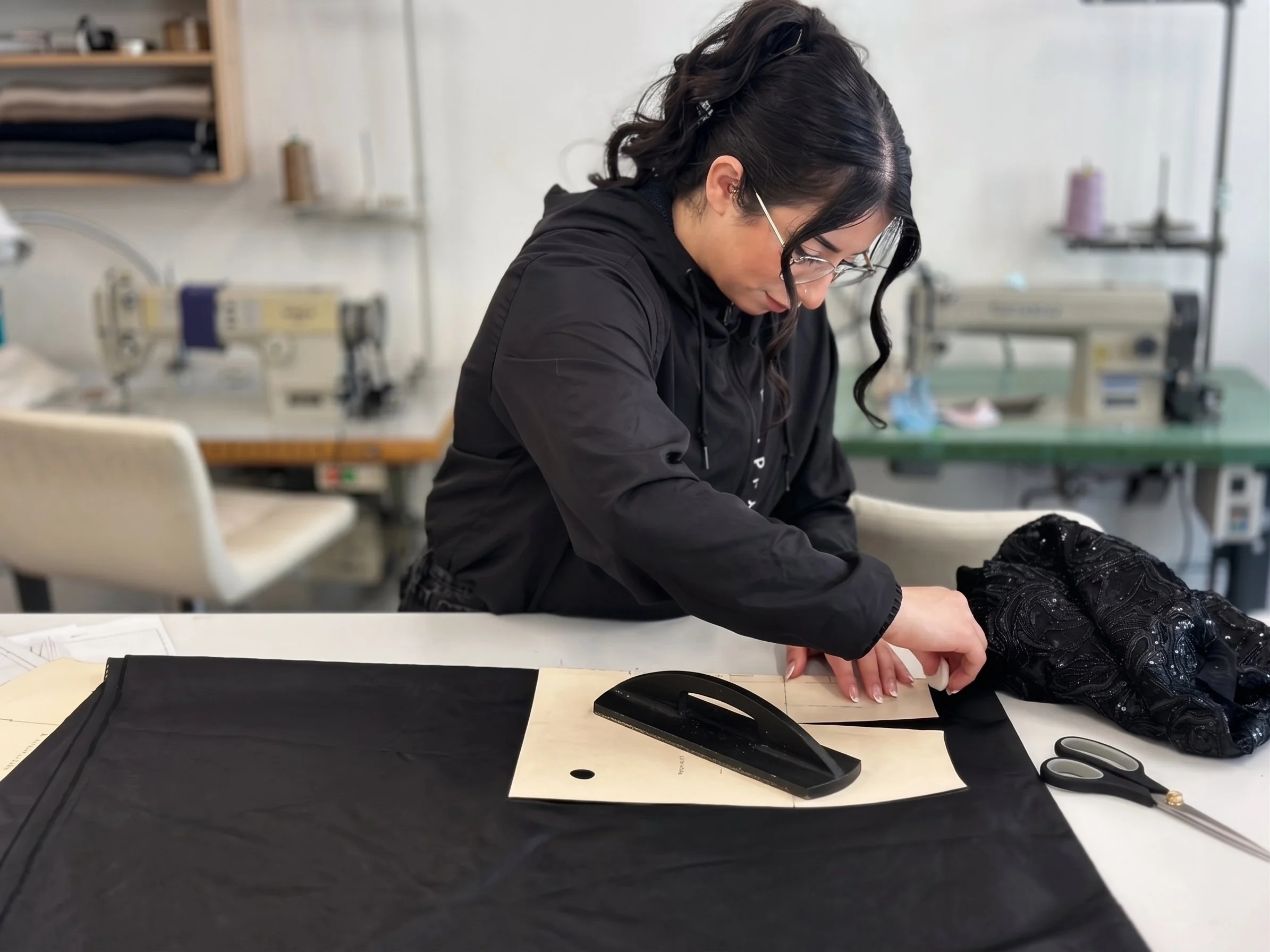
At The Cut Fashion Design Academy, Pattern Making introduces students to this technical side of design. They learn how foundational patterns work, how fit and proportion are controlled, and how those foundations can be manipulated to develop new designs. A basic skirt block becomes a starting point rather than a limit. Add flare here, shift a dart there, rotate the grain, split the shape into panels, and the same foundation turns into something with its own character.
The process continues through cutting and sewing, where the pattern proves itself in fabric. This is the moment students see how a decision made on paper shows up in movement, drape and fit. Watching a flat piece of paper become a garment that moves with the body is one of the most rewarding parts of learning to design.
The Skirt's Next Moment
Trends may tell us that the skirt is having another moment. Pattern making tells us how to create the next one.
Interested in learning how designs move from an idea to a pattern? Explore Pattern Making at The Cut Fashion Design Academy.